
The hidden famous seafood restaurants only locals known
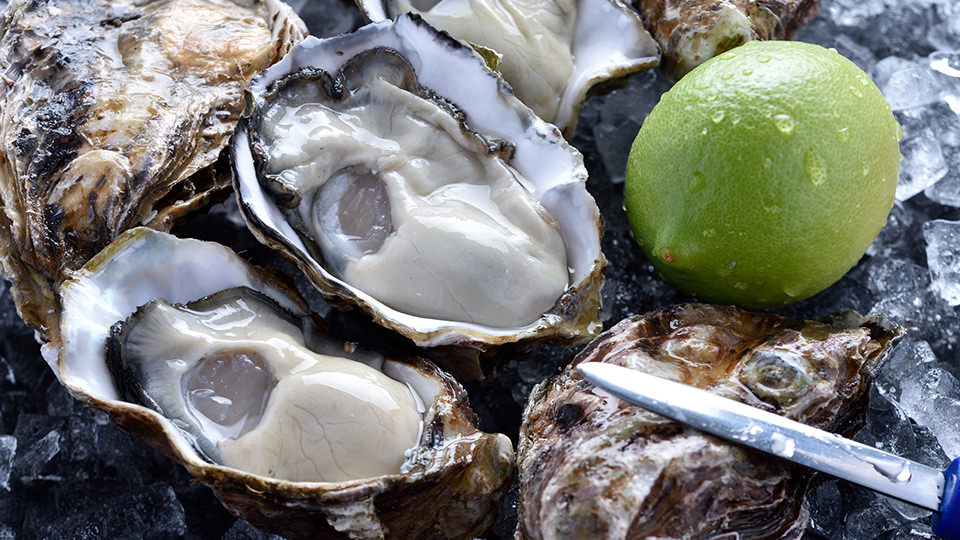
Kure city is surrounded by the Seto island sea. You can try many kinds of seafood and fresh oysters at a reasonable price. You must try seafood here once you’ve been to Kure.
5 Best Lunch Spots in Kure for 2025
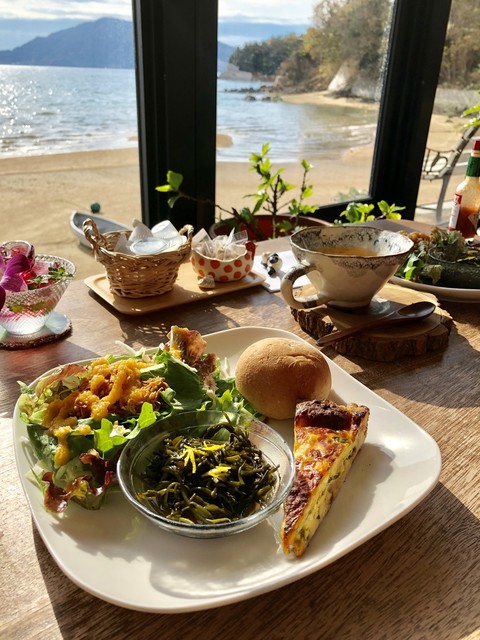
Are you planning to take a trip to Kure? Let’s discover the well-known lunch restaurants that are loved by locals from janky food to hearty set menus.
Kure Local Sweets | 5 Must-Try Traditional Treats in Kure
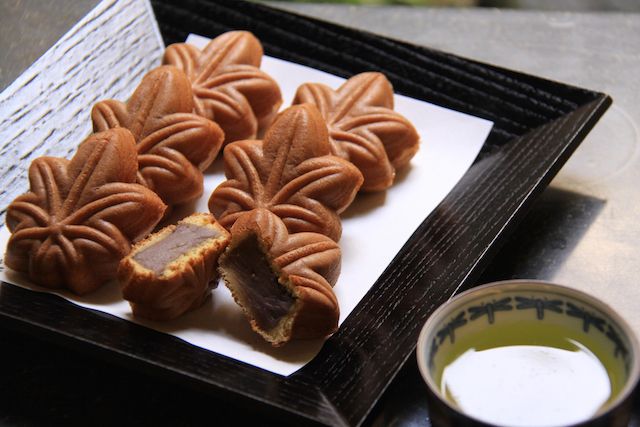
There are some spots people must try when they visit in Kure. These sweets are signature food in Kure! People cannot talk about Kure without trying these ones. Why Kure local sweets Are Loved by Locals Kure local sweets are an important part of the city’s everyday culture and food history.because of the Naval Arenal, Shipbuilding and Port Industry a long time ago. It means, people used to work for a long time with limited break time so that they require an effective snack which can charge their energy immediately and keep them full for a long time. Local sweets shops in Kure tried to match their requirements. Moreover, there were many people who had a lot of business trips in Kure as a main Naval port. For this reason, sweets that could be portioned, had a long shelf life, and were easy to distribute were highly valued. In Kure, there have been a lot of family-founded pastries and bakeries since a long time ago. It grows Kure’s original taste and special signature sweets. These sweets do not have catchy visual and trendy characters, but simple and nostalgic tastes have been loved for a long time. 1. Bikkuri Manju: A Classic of Kure Local Sweets Loved by Generations Bikkuri Manju is a local sweet from Kure that surprises people not with its size, but with its taste and filling. It looks like a simple Japanese steamed bun, but inside it often contains a rich and flavorful filling that feels more satisfying than expected. In Japan, each city has a pretty similar style of sweets but it is called a different name such as “Bachira Manju” in Kumamoto. This snack is loved by locals and is often enjoyed as a quick treat while walking around the city. For visitors, Bikkuri Manju is a great example of how Japanese sweets can be simple, affordable, and deeply connected to everyday life. “Bikkuri Manju” means surprised Manju ( Japanese style sweet). It says that the name was chosen because people felt it was more satisfying than they expected. 2. Fried Cake: One of the Most Iconic Kure Local Sweets Fried Cake is one of the most famous local sweets in Kure since the end of World WarⅡ. It is a round cake filled with sweet red bean paste and deep-fried until the outside becomes crispy and golden. This store is located quiet near Bikkuri Manju. The contrast between the crunchy outside and the soft, sweet filling makes it very popular. Many people in Kure grew up eating Fried Cake, so it is strongly connected to childhood memories. For tourists, this snack offers a warm, nostalgic taste of local Japanese culture. Even though it is fried, it is not too heavy. People usually buy it with a set including 6 Manju and share with their family at house. 3. Kure Melon Pan: A Popular signature Bread Melon Pan is a classic Japanese sweet bread, and in Kure you can find local bakeries that make it fresh every day. Despite the name, it usually does not contain melon. The name comes from its cracked surface, which looks like a melon. In general, Japanese Melon Pan looks circular and not contained inside, and has a grid pattern. However, Kure’s Melon Pan is obviously different from others. It has a lot of volume, even only one, so you are supposed to satisfy this bread. The outside is slightly crispy, while the inside is soft and fluffy, and it is filled with enough cream. Also the shape is pretty different from others. Kure’s Melon Pan looks more similar to a football shape. But it is not too sweet and it just has a simple taste so people do not get bored with the taste. Melon Pan is easy to eat and very popular with both children and adults. It is a perfect snack to enjoy while exploring the streets of Kure. 4. Edelweiss Cream Pie: A Long-Established Favorite of Kure Local Sweets The Cream Pie from Edelweiss is a well-loved local dessert in Kure and this pastry has been loved since 1965. . It has a light and crispy pastry filled with smooth and rich cream. Besides, they are also selling some seasonal cakes. The sweetness is not too strong, making it easy to enjoy even after a meal. Many locals buy this cream pie as a souvenir or a small gift. For foreign visitors, it is a great chance to try a Western-style Japanese dessert with a local touch. This pastry only approved cash, so people should prepare cash if you want to buy. 5. Onrai Manju: A Unique Pineapple-Flavored Treat Onraimantou was established in 1894. This Japanese style sweets shop has been loved by locals for over 100 years. “Onraimantou” is one of the pastries they sell. It has a moist, vanilla-flavored dough filled with pineapple jam that leaves a pleasant, lingering sweetness. Because the flavor is gentle and well balanced, it is enjoyed by people of all ages, from children to elderly customers. The name “Onrai” means pineapple in Chinese, and the sweet has a baked texture similar to a Japanese-style pastry rather than a traditional steamed manju. This makes it easy to eat and suitable both as a daily treat and as a souvenir from Kure. In addition, other popular items include Chestnut Manju, which has a rich chestnut flavor, and “Lemon,” a baked sweet filled with refreshing lemon jam. These products are also well loved by locals and each sweets can be bought from only one, so it is the perfect amount for solo visitors. Kure traditional local sweets roots These Kure local sweets are not only tasty but also have deep historical backgrounds. Don’t miss Kure signature food when you visit! Click here and check the cousine. Why don’t you visit to Kure’s unique Cafes? Know more by visit our website. For more information about Kure City, you can visit the official Kure tourism website.
Instagrammable cafe in Kure top 5
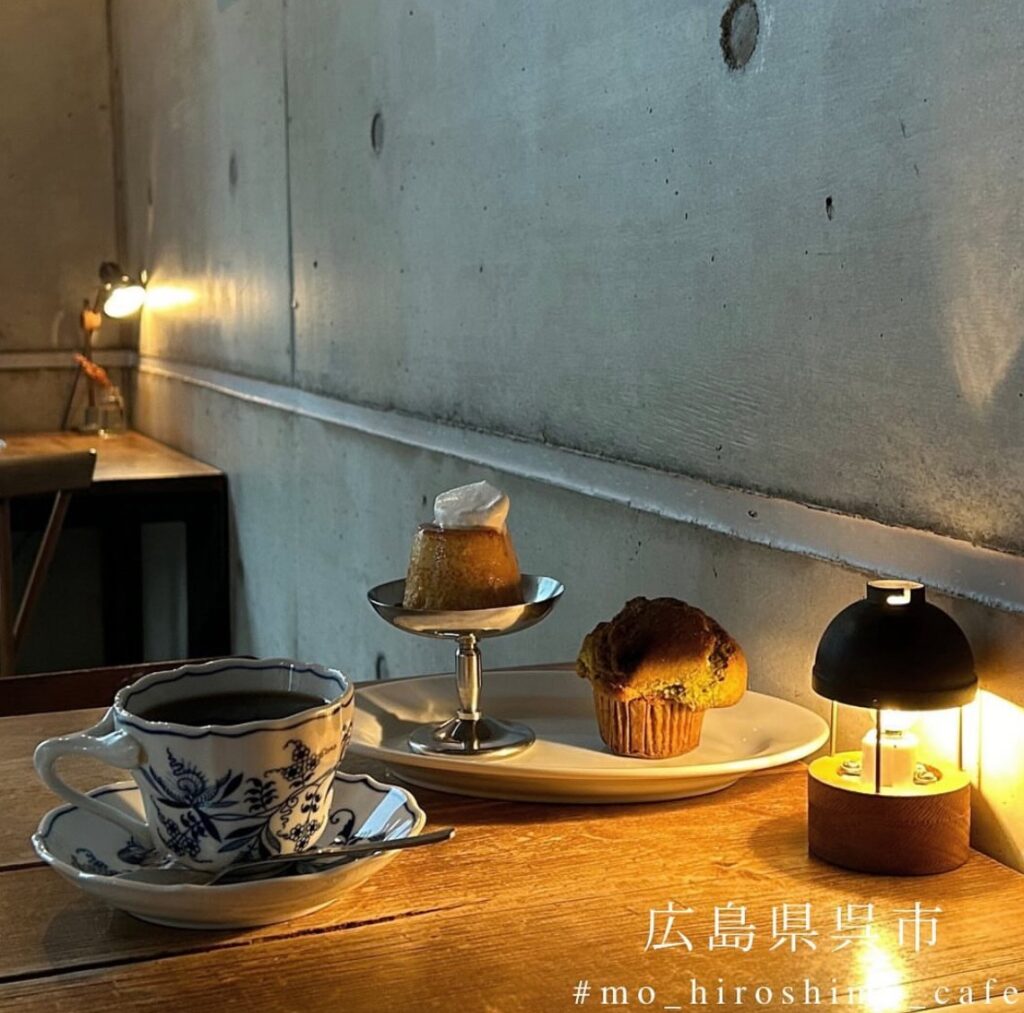
Come and take remarkable photos in Kure! The picture you took there should be buzzed and shared by a bunch of viewers! Let’s be pioneers in finding such a good cafe in Kure for the first time. Why Kure Cafes Are Popular on Instagram Kure cafes are popular among both locals and tourists for their unique atmosphere. Kure is not too famous as a tourist spot, but there are a lot of photogenic and instagrammable sites. Kure has a unique atmosphere with ocean and slope, and retro. There are some population problems about declining birthrate and aging population, but it makes Kure more calm and quiet, and nostalgic. Kure citizens live there with such a special environment. In the last few years, Kure has been getting known in Japan because of the movie “In this corner of the world” and game Kankore. Japanese war drama film “In This Corner of the World” “ In This Corner of the World” is a Japanese animated film released in 2016. The story is set mainly in Kure, Hiroshima during World War Ⅱ. This story is based on the situation which actually happened. This film does not only focus on battles or soldiers but also shows ordinary life during wartime as a normal person who lives in Kure city. Thanks to this view point, many viewers felt emotionally close to the characters and attracted to this movie. A lot of scenes in the film are based on real places in Kure such as streets, hills, and views of the sea. Therefore, some tourists visit Kure to see the same view and remember how war is cruel. Recently, this movie is broadcasted worldwidely and got many awards. Additionally, some schools in Japan require students to watch the film as part of their curriculum so that the number of young generation visitors are increasing the same as the number of foreigners. In this way, this movie played an important role in connecting film, memory, and local tourism, and helped bring new attention to Kure. There are also several cafes along the pilgrimage route to the film’s holy sites. The connection between Kure cafes and Kankore These days, more and more people visit Kure thanks to “Kankore”. Kankore is the shortened name of Kantai Collection. This is a game which has characters inspired from battleships and has been published since 2013 in Japan. Many tourists who are interested in Japanese military culture and animation are attracted by that character design and battleship history. That is a reason why they visit Kure. Kure is one of the locations of Kankore pilgrimage. Kure was a major naval port for the former Japanese Navy before. Kure has cafes and restaurants that collaborate with KanColle. 1. Majo no Lamp: A Retro-Style Cafe Among Kure Cafes Mazyo no Lamp is a unique café in Kure that feels like stepping into a fairy tale. The interior is decorated with antique lamps, wooden furniture, and warm lights, creating a magical and slightly nostalgic atmosphere. This café is especially popular for its desserts and handmade drinks. It is a perfect place to relax after walking around the city. Many visitors enjoy taking photos here because every corner looks beautiful and mysterious. If you like cozy cafés with a storybook feeling, Mazyo no Lamp is a must-visit spot. 2. 5 Coffee Market: A Minimal and Modern Spot Among Kure Cafes This cafe is a stylish and modern café loved by young locals and tourists. The space faces the ocean with a calm and clean atmosphere that makes it easy to spend a long time. They serve high quality coffee made from carefully selected beans, as well as light meals and sweets. This cafe has a lot of local customers and blends with life so tourists are supposed to enjoy the trip as if they were local people. This café is a great choice if you want to take a short break during sightseeing or enjoy good coffee while planning your next destination in Kure. These kind of Kure cafes are popular spots for both locals and visitors. 3. RePLAY MOTO SERVICE: A Unique Motorcycle-Themed Space This cafe has a strong personality, combining motorcycle culture and café style. The interior feels like a garage, with bikes, tools, and industrial design elements. It can feel a strong part of Kure as an industrial city and port city. This café is popular with travelers who like unique and local experiences. Even if you are not a motorcycle fan, you can enjoy the relaxed atmosphere and friendly vibe. It is a great place to feel the creative side of Kure and meet locals. Also, these interiors are quite visible so people can take a unique photo in this cafe. This Kure cafes are located near the train stations, so people can visit there easily. 4. Namiki Cafe: A Calm and Cozy Hideaway Namiki Cafe is a calm and comfortable café surrounded by greenery. It offers a quiet space away from busy tourist areas, making it ideal for travelers who want to slow down and enjoy a peaceful moment. Therefore, it is located pretty far from the city side of Kure and it is hard to go there without a vehicle. But this cafe is worth making that effort to visit there. The café serves coffee, light meals, and desserts, and many customers come here to read, write, or simply relax. Namiki Cafe shows a softer and more natural side of Kure, which many visitors find very charming. This cafe has their own farm and livestock so people can eat the fresh eggs which they get in the morning. Moreover, there are two mascot dogs at the cafe (I am not sure right now) and these friendly dogs heal our exhausted hearts. In the summer season, people can swim at the ocean in front of this cafe and it has shower and bathroom so it is also perfect place to enjoy sea activity. Same as this cafe, many Kure cafes offer a relaxed
The Ultimate Kure Gourmet Guide

Explore the best of Kure gourmet culture! Thanks to the sea facing Seto island ocean, there is a bunch of seafood and it is rich in nature. You are supposed to enjoy the special meal you can only eat here! How to Enjoy Kure Gourmet Like a Local Kure gourmet is shaped by the city’s port history, naval culture, and hearty noodle traditions. Kure is located in Hiroshima Prefecture and facing the calm waters of the Seto Inland Sea, has a uniquely rich food culture shaped by more than a century of naval history. The city began developing as the main base of the Imperial Japanese Navy during the Meiji era, and that era left behind not only shipyards and museums, but also a deeply rooted culinary identity. Even today, many local dishes trace their origins back to navy kitchens, where practicality, nutrition, and efficiency were essential parts of daily life. Understanding Kure’s cuisine means understanding how the lives of sailors, shipbuilders, and local fishing communities intertwined to create flavors that remain beloved by residents and visitors alike. This guide introduces the history and background of Kure gourmet. Traditional home-cooked dish of Kure gourmet One of the most iconic examples of this influence is nikujaga, a comforting dish of stewed beef and potatoes. While it has become a nationally beloved home-cooked meal across Japan, Kure is often said to be its birthplace. The story goes that Japanese naval officers attempted to recreate British beef stew using ingredients available in Japan at the time, resulting in a lighter yet hearty dish that quickly became popular. Over the years, nikujaga became more than just a meal. It became a nostalgic taste of home for generations of sailors. Today, many restaurants in Kure proudly present their own versions, each with slight variations in sweetness, broth thickness, or ingredient sizes, reflecting how families and cooks have passed the recipe down through time. Remarkable naval dish curry Another well-known naval dish connected to Kure is Navy curry (kaigun kare). This curry has an especially interesting cultural background. It is believed that sailors at sea ate curry every Friday, not only because it was delicious and easy to prepare in large batches, but also because it helped them keep track of the days of the week. It is a surprisingly practical purpose for a beloved comfort food. Although the exact origins remain uncertain, the tradition has carried on for generations. In contrast to standard Japanese curry made with store-bought roux blocks, true Navy curry begins with stir-frying curry powder and flour to create a homemade roux. This gives it a richer aroma and slightly nostalgic, old-fashioned taste. Large-cut ingredients like potatoes, carrots, and chunks of meat are also characteristic, reflecting the hearty style of naval meals designed to sustain sailors through demanding work. Many Kure gourmet dishes became popular because they were filling, quick to eat, and easy to serve. Deep history of Kure noodle culture gourmet Kure’s noodle culture also offers a fascinating window into its naval past. Kure Reimen, created about 70 years ago, is an original ramen style that is unlike typical regional ramen in Japan. Its thin, flat noodles are served in a sweet, sour, and slightly spicy broth, giving it a refreshing but distinctive flavor profile. While cold noodles in Japan are usually associated with summer, Kure Reimen breaks the rule. It’s eaten all year round. Locals enjoy it in every season, and its unique combination of flavors makes it a memorable experience for visitors who want to try something that cannot be found anywhere else. A famous udon noodle originating from Kure gourmet Another local specialty, hosoudon, features extremely thin udon noodles and traces its roots back to street food stalls and the busy lifestyles surrounding Kure’s port. Fishermen and naval workers needed meals that were quick to prepare and even quicker to eat, and hosoudon became a practical solution. The thin noodles cook rapidly, and their light texture reflects the simplicity and efficiency valued in the city’s working culture. Although it may appear like a humble dish, it offers a comforting warmth that speaks to Kure’s identity as a hardworking maritime town. Kure’s famous product Of course, Kure’s food culture is not shaped only by its naval heritage. Its geographical environment also plays a major role. Facing the Seto Inland Sea, the city is surrounded by waters rich in marine life. Fresh seafood is a central part of daily cuisine, with oysters being one of the standout specialties. Hiroshima Prefecture is famous for producing some of the highest-quality oysters in Japan, and Kure contributes significantly to that reputation. During winter, when oysters reach peak plumpness and flavor, locals enjoy them in a variety of ways, from raw oysters served simply with citrus, to deep-fried oysters, to traditional dote-nabe, a hot pot combining oysters with miso. Each preparation showcases the natural sweetness and brininess of Kure’s marine environment. Various citrus in Kure Kure isn’t just blessed by the sea; the mountains surrounding the city also shape its agricultural culture. The region produces a range of citrus fruits thanks to its sunny climate, good drainage, and abundant sea breeze. Among them, the Ōcho mikan, which originated in Kure’s Toyo Town, stands out for its thin peel, well-balanced acidity, and rich sweetness. One of the most interesting features of citrus farming in Kure is the use of terraced fields, carefully designed to maximize sunlight and promote good air circulation. These carefully crafted fields represent generations of agricultural wisdom and help produce fruit with vibrant flavors. Connection between culture and cousine Together, these influences naval traditions, fishing culture, agricultural innovation, and the natural environment combine to form a food culture unlike any other in Japan. Kure’s local dishes tell stories of history, adaptation, and the daily lives of the people who built the city. Whether you’re enjoying a warm bowl of nikujaga, tasting authentic Navy curry, slurping refreshing Kure Reimen, or savoring freshly harvested oysters, every bite offers a glimpse into the region’s